Insurance is designed for covered risks, not ordinary maintenance. Preventive maintenance cannot guarantee that a claim will be paid, but inspections, repairs, and organized records can reduce avoidable damage and help explain the condition of property before and after a loss.
This guide explains how maintenance interacts with home, renters, auto, business, and equipment insurance. It covers roofs, plumbing, electrical systems, heating and cooling, appliances, vehicles, safety devices, records, claim preparation, and common misunderstandings.
Insurance versus maintenance
Insurance generally responds to eligible accidental losses described in the policy. Maintenance is the routine care needed to keep property safe and working. A worn roof, corroded pipe, neglected appliance, or old battery may fail because of deterioration rather than a sudden covered event.
The distinction depends on the facts and wording. A sudden storm may damage a properly maintained roof, while gradual wear may be excluded. Ask how the policy treats resulting damage when a maintenance issue contributes to a loss.
Why preventive maintenance matters
Regular maintenance can reduce the chance of leaks, fires, equipment failure, mold, accidents, and business interruption. It can also reveal a small problem before it becomes expensive.
Maintenance records show what was inspected, when work was done, who performed it, what materials were used, and whether recommendations were followed. Keep records even when no loss has occurred.
Roof and exterior maintenance
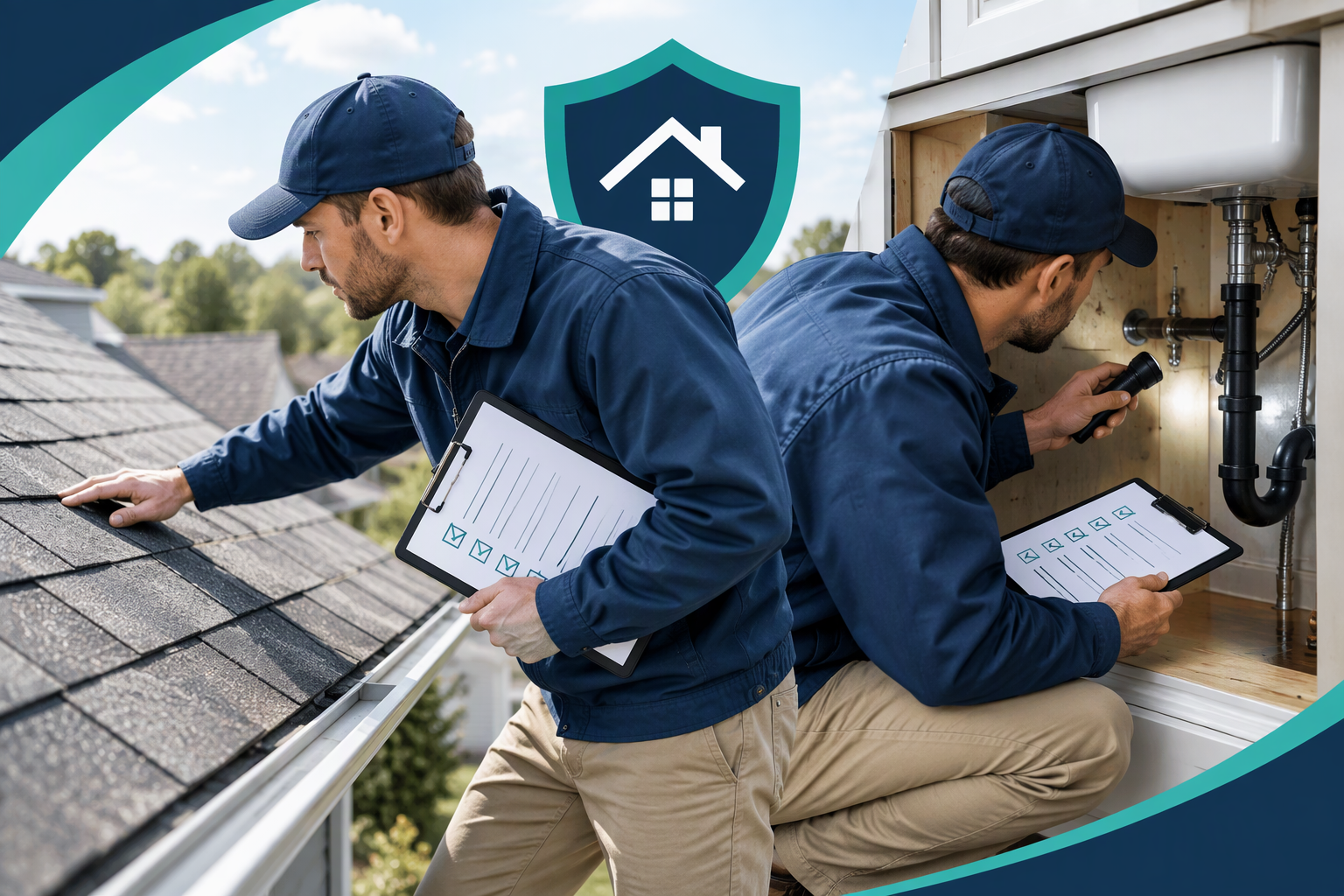
Inspect roofing, flashing, gutters, downspouts, skylights, exterior seals, siding, windows, doors, balconies, and drainage. Remove debris, repair damaged seals, and address water pooling.
Photograph the roof and exterior after inspections. Keep invoices, contractor details, warranties, permits, and repair recommendations. Do not climb onto unsafe areas; use qualified professionals where needed.
Plumbing and water protection
Check supply lines, shut-off valves, water heaters, washing-machine hoses, sump pumps, drains, toilets, and visible pipes. Replace worn hoses and know where the main water shutoff is located.
For vacant homes or cold weather, follow appropriate shutoff and heating procedures. Ask the insurer whether protective devices, vacancy periods, leak sensors, or freeze precautions affect coverage conditions.
Electrical and fire safety
Inspect overloaded outlets, damaged cords, extension use, panels, smoke alarms, carbon-monoxide alarms, and electrical equipment. Test alarms according to manufacturer guidance and replace batteries or units as required.
Keep records of professional inspections and repairs. Never ignore burning smells, repeated breaker trips, heat, sparks, or visible damage.
Heating and cooling systems
Service furnaces, boilers, heat pumps, air conditioners, chimneys, vents, filters, and fuel systems as appropriate. Poor maintenance can increase fire, carbon-monoxide, water, or equipment risks.
Save service reports and note model numbers, installation dates, warranties, and replacement recommendations.
Appliances and equipment
Maintain refrigerators, dishwashers, dryers, washing machines, generators, pumps, tools, and other equipment according to manufacturer guidance. Clean lint systems, inspect hoses, and keep equipment away from unsafe moisture or heat.
Record purchases, serial numbers, service work, warranties, and photos. This information can support a property inventory and a claim.
Auto and vehicle maintenance
Vehicle insurance does not replace ordinary servicing. Keep tires, brakes, lights, fluids, batteries, child restraints, and safety systems in appropriate condition.
Save service invoices, inspection certificates, photographs, and repair records. If a vehicle is used for business, delivery, rideshare, towing, or unusual purposes, tell the insurer.
Business-property maintenance
Businesses should maintain buildings, machinery, refrigeration, alarms, access controls, backup systems, vehicles, and inventory storage. A failure can cause property damage and business interruption.
Use a maintenance calendar with responsible people, due dates, service providers, emergency contacts, and confirmation records. Critical equipment should have a backup or manual process where practical.
Protective safeguards
Some policies require protective safeguards such as alarms, sprinklers, locks, temperature controls, cameras, generator maintenance, or security monitoring. If a safeguard is disabled, disconnected, or not maintained, coverage may be affected depending on the policy.
Tell the insurer before removing or materially changing a required safeguard. Keep test reports and repair records.
Vacant and seasonal properties
Vacancy can increase the risk of undetected leaks, freezing, theft, and damage. Policies may have vacancy conditions or limitations. Arrange regular inspections, maintain heat where required, secure openings, and document visits.
Ask how long a property can be vacant and what steps are required. Do not assume a normal occupied-home policy applies unchanged.
Records to keep
- Inspection reports.
- Repair and maintenance invoices.
- Photos and videos.
- Warranties and manuals.
- Permits and certificates.
- Serial numbers and model details.
- Contractor names and licenses where relevant.
- Alarm and safety-test records.
- Inventory lists and receipts.
- Communication about known defects.
Store records securely outside the property and use clear file names with dates.
After a loss
Take reasonable steps to protect people and prevent further damage. Notify the insurer promptly, photograph the scene when safe, keep damaged items, and save emergency-repair receipts.
Do not conceal a known issue or make unsupported statements about the cause. Provide factual records and explain what maintenance had been completed. A claim decision depends on the policy, cause, damage, and conditions.
Common mistakes
- Assuming maintenance is always covered.
- Failing to address a known leak or defect.
- Having no record of inspections.
- Ignoring protective-safeguard requirements.
- Leaving a vacant property unchecked.
- Replacing equipment without recording serial numbers.
- Using unqualified contractors for safety-critical work.
- Not reporting a material change to the insurer.
- Discarding damaged parts before inspection.
- Confusing a warranty or service contract with insurance.
Preventive-maintenance checklist
- Inspect roof, gutters, windows, and drainage.
- Test smoke and carbon-monoxide alarms.
- Check plumbing valves, hoses, and water heaters.
- Service heating, cooling, and fuel systems.
- Review electrical and fire-safety concerns.
- Maintain appliances, vehicles, and equipment.
- Test alarms, pumps, backups, and protective safeguards.
- Document repairs with dated records and photos.
- Review vacancy and seasonal-property rules.
- Update insurance after renovations or major changes.
Questions to ask your insurer
- What maintenance duties appear in my policy?
- Which protective safeguards are required?
- How are wear, deterioration, and resulting damage treated?
- What vacancy period changes coverage?
- Are leak sensors, alarms, or inspections required?
- How quickly must a loss be reported?
- Which temporary repairs are allowed?
- Are business, rental, or vehicle activities properly described?
- Do renovations require an endorsement?
- What documents should I keep for a claim?
Frequently asked questions
Does regular maintenance guarantee coverage?
No. Good maintenance may reduce risk and support documentation, but coverage depends on the loss, policy terms, limits, exclusions, and conditions.
Can an insurer deny a claim because a property is old?
Age alone does not answer the question. The cause of loss, condition, maintenance, exclusions, and applicable rules matter.
Should I keep repair invoices?
Yes. Invoices, photos, warranties, and inspection reports help show the property’s condition and the work performed.
What if emergency repairs are needed?
Make the area safe and prevent further damage, document the work, keep receipts, and notify the insurer promptly.
Do renters need maintenance records?
Renters should document the condition of their belongings and report landlord maintenance issues in writing, while following the lease and policy requirements.
Final takeaway
Preventive maintenance is a practical risk-management habit. It reduces avoidable problems, improves safety, preserves warranties, and creates useful evidence, but it does not convert every loss into an insured event.
Ready to improve your records? Schedule one inspection, photograph important property, save the invoice, and review the policy duties that apply to your home, rental, vehicle, or business. This article is general educational information only and is not legal, financial, maintenance, or insurance advice.